Virtual Staging for Real Estate in Charleston SC

Charleston’s listing market moves fast. When a vacant property hits the MLS with empty rooms and bare walls, buyers struggle to picture themselves living there and that hesitation shows up in days on market. Virtual staging gives agents a direct, affordable way to fix that problem before the listing ever goes live.
This post covers what virtual staging is, when it makes sense for your Charleston listings, what it costs compared to traditional home staging, and what to expect from the final photos.
What Is Virtual Staging?
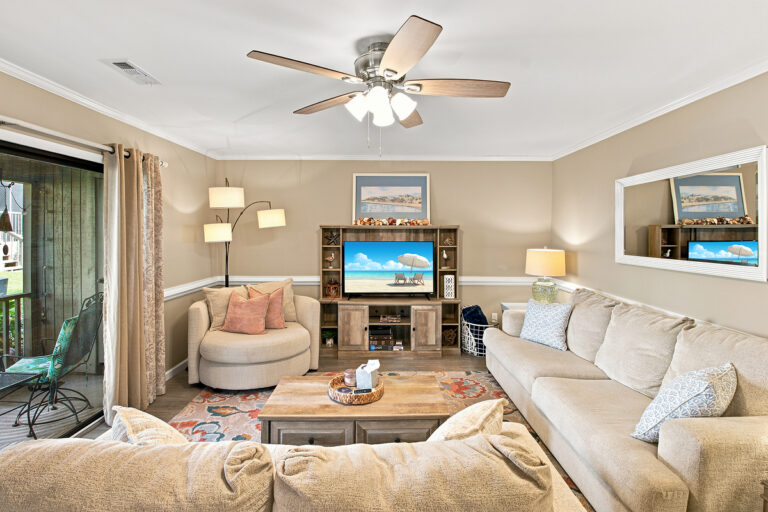
Virtual staging is a post-production service where furniture, rugs, artwork, and decor are digitally added to listing photos of empty or sparsely furnished rooms. The result is a realistic, buyer-ready image that can be used anywhere your listing appears: MLS, Zillow, social media, and print marketing.
The final product is a set of edited photos, not a physically staged space. A buyer walking through will see the empty room. The staging exists in the marketing imagery only, which means disclosure is required. Most MLS rules mandate it, and buyers understand it. Virtual staging is widely accepted in today’s market.
Beyond adding furniture, virtual staging also covers selective item removal. If a room has worn-out furniture, dated decor, or distracting objects, those elements can be digitally removed and replaced with fresh, market-ready pieces. One important note: compliant virtual staging does not alter permanent structure. Walls, windows, floors, and architectural details stay exactly as they are in the original photo. What changes is everything a seller would take with them.
Virtual staging works best starting with strong source photos. The cleaner and sharper the original image, the more realistic the final render. Most agents add virtual staging on top of a professional real estate photography shoot rather than treating it as a standalone service.
When Does Virtual Staging Make Sense for Charleston Listings?
Not every listing needs virtual staging, but there are clear scenarios where it earns its keep.
Vacant listings. An empty room gives buyers nothing to hold onto emotionally. Square footage that reads spacious in person reads cold and forgettable in photos. Virtual staging solves this directly. A digitally furnished living room or primary bedroom helps buyers understand the scale of the space and visualize how they would use it.
Investor flips and value-add properties. A large share of transactions in areas like North Charleston, Summerville, and parts of West Ashley involve properties that have been updated but not decorated. The finishes are fresh, but the rooms are bare. Virtual staging bridges the gap between renovation complete and move-in ready without adding any physical logistics.
New construction. Builders and developers selling spec homes in Daniel Island, Nexton, or the newer sections of Mount Pleasant face the same challenge. An unfurnished model home is hard to market. Virtual staging lets you show the lifestyle buyers are purchasing, not just the drywall.
Relocation buyers. A significant share of Charleston’s buyer pool is not local. Buyers relocating from out of state are making decisions largely based on photos, often without an in-person walkthrough before going under contract. A virtually staged home gives those buyers more to work with and makes the property feel worth the trip.
Properties with unusual layouts. If a room’s function is not obvious from the architecture alone, virtual staging defines it. A bonus room, flex space, or oddly shaped bedroom becomes readable the moment furniture gives it context.
Virtual Staging Cost vs. Traditional Home Staging
This is where virtual staging wins on almost every measure.
Full vacant home staging in Charleston runs in the thousands. Furniture rental alone typically costs $300 to $500 per room per month, and most staging companies require a two to three month minimum commitment. For a three-bedroom home with three or four rooms staged, that is $3,000 to $5,000 or more in rental fees before you factor in the initial setup or consultation. Multi-state staging firms serving Charleston, like Carolina Spaces, price full vacant staging packages at roughly 1 to 3 percent of list price. On a $500,000 home, that range starts at $5,000.
Virtual staging pricing runs $25 to $75 per image depending on the provider and turnaround time. Real Estate Photography for Charleston charges $35 per virtual staging photo — one flat price, no monthly fees, no delivery logistics, no pickup coordination.
For a listing where five rooms need staging, that comes to $175 total. The math against traditional staging is not close.
The trade-off is the in-person showing experience. Virtually staged photos generate online interest, but buyers arrive to an empty space. For listings where the online presentation is the main hurdle, virtual staging handles the job cleanly. For listings where buyers need to feel the space furnished when they walk through, physical staging still has a role. Many agents in the Charleston market combine both approaches: virtual staging to drive showings online, physical staging for the in-person experience on higher-price listings.
For more context on what professional listing photography costs across services, see what real estate photography costs in Charleston, SC.
Which Rooms Respond Best to Virtual Staging?
Not all rooms benefit equally. Prioritize the spaces buyers spend the most time evaluating in photos.
Living rooms are the highest-impact target. They are the first room buyers see in a photo gallery and the hardest to evaluate when empty. A furnished living room with a defined seating area, rug, and lighting context gives buyers an immediate emotional connection to the home.
Primary bedrooms rank close behind. Scale is everything in a bedroom. Buyers want to know a king bed fits comfortably. Virtual staging answers that question in a single image.
Dining rooms help buyers understand how a space functions, especially in open-plan layouts where the dining area flows into the kitchen or living room.
Home offices have become a stronger virtual staging target with the shift toward remote and hybrid work. A flex room staged as a home office reads as more practical and more valuable than an empty square room.
From what I’ve seen on active listings here in Charleston, when at least one or two major living areas are virtually staged, photos tend to generate noticeably more saves and views on platforms like Zillow compared to listings where rooms remain empty. That is not a guaranteed outcome, but the pattern is consistent enough that it is worth considering when you are deciding how many rooms to stage.
Bathrooms and kitchens rarely need virtual staging. They are finished spaces with their own visual appeal. Vacant living spaces are where the service earns its value.
What to Expect from the Final Images
Turnaround on virtual staging photos is typically 24 to 48 hours from image submission. The edited photos match the perspective and lighting of your original shoot, so the result integrates cleanly with the rest of your MLS gallery.
Quality depends on starting with well-lit, properly exposed source images. Dark corners, harsh shadows, and blown-out windows carry through into the staged version. That is one more reason virtual staging works best paired with a professional shoot rather than as a workaround for inadequate photos.
You will receive the virtually staged images as high-resolution JPEGs, ready for MLS upload and all marketing materials.
Adding Virtual Staging to Your Listing
Virtual staging is available as an add-on to any real estate photography session or can edit existing photos. Learn more about our virtual staging services.
Pricing is $35 per image. Most agents stage three to six rooms per listing. Next-day delivery on the source photos, with virtual staging renders delivered within 48 hours of image submission.
Ready to put vacant rooms to work? Call 843-790-2820 or email contact@realestatephotographychs.com to book.